Explore the Essential Services Offered by a Commercial General Contractor for Your Next Project
In the domain of construction, a general contractor plays a pivotal role in ensuring project success. Their support covers comprehensive project oversight, financial planning, and aligning all involved entities. This knowledge base doesn't just simplify processes but also ensures legal conformity and standard maintenance - Hickory top rated Commercial General Contractor. Knowing these key functions can markedly change the project's final result. What key advantages can a GC provide for upcoming project?
Full Project Control
Thorough project management is vital for the smooth completion of development ventures. It necessitates a systematic method that covers planning, coordination, and management of a build from inception to completion. A commercial general contractor is key in this process, making certain that all project components match up with the client's vision and compliance mandates.
Successful project oversight includes defining project scopes, timelines, and results while keeping lines of communication open among involved parties. The contractor coordinates subcontractors, manages resources, and monitors quality control to ensure the project meets set standards. In addition, a comprehensive management plan incorporates risk management techniques to spot issues ahead of time and create solutions.
Ultimately, thorough project management promotes teamwork, streamlines processes, and increases the chance of finishing a job on time and within budget and scope, thus increasing client satisfaction and a good result.
Financial Planning and Cost Management
Successful project oversight requires the need for strict financial planning and expenditure management. A commercial general contractor plays a pivotal role in creating the monetary plan for a project. This requires thorough budget forecasting based on project specifications, labor, materials, and machinery. By identifying potential financial risks early, the contractor can implement strategies to address these problems, making certain that the project does not exceed the allocated funds.
Additionally, continuous monitoring of expenditures throughout the project lifecycle is essential. The general contractor leverages specific processes to track costs against the budget, allowing for anticipatory modifications if required. This disciplined process does more than just prevent budget excesses but also enhances financial accountability among all stakeholders. Ultimately, effective budgeting and cost control promote financial transparency, enabling well-grounded decisions and the distribution of resources, a necessity for the successful execution of any building endeavor.
Coordination of Subcontractors and Suppliers
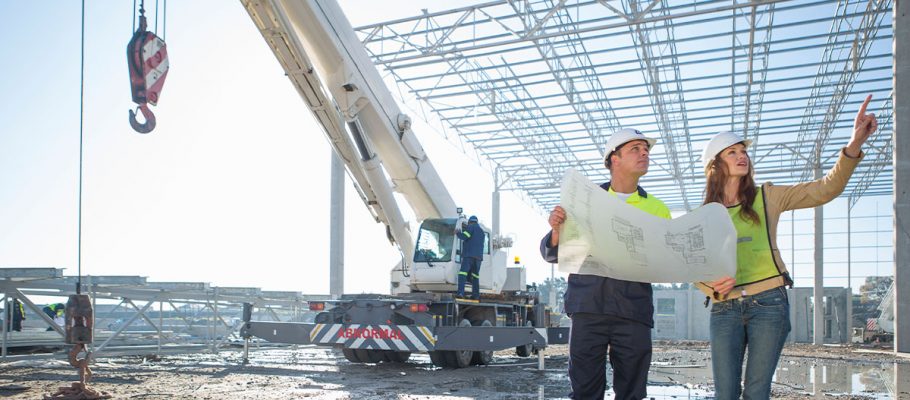
While managing a construction project, managing vendors and subcontractors is vital for keeping the workflow efficient and hitting target dates. A commercial general contractor is instrumental in coordinating these interactions, guaranteeing alignment among all parties with the project's timeline and goals. Clear communication among subcontractors, suppliers, and the general contractor is essential to minimize holdups and avert costly errors.
The GC handles the sequencing of subcontractor work sequences, a process that optimizes operations and improve the distribution of resources. Moreover, they oversee material purchasing from suppliers, making certain that required materials arrive according to the schedule and budget. Through the management of these key relationships, the contractor can rapidly handle any arising complications, resulting in a smoother building phase. Ultimately, this coordination improves project efficiency but also ensures the ultimate success of the construction endeavor, making sure all elements integrate smoothly.
Adherence to Building Codes and Regulations
Meeting all construction laws and regulations is a core duty of a commercial general contractor, because ignoring these standards often causes serious fiscal and legal consequences. A commercial general contractor needs to have comprehensive knowledge of federal, state, and local laws applicable to construction projects. This expertise enables them to handle intricate legal structures, ensuring that all aspects of the project—from planning through completion—meet required standards.
Additionally, contractors often work closely with architects, engineers, and regulatory agencies to confirm that specifications and plans meet code standards. Through routine assessments and inspections, they are able to detect regulatory problems soon, reducing risks and preventing expensive holdups. Ultimately, a strong commitment to regulatory compliance preserves the contractor's reputation but also safeguards the client's welfare, ensuring that projects are completed successfully and without undue difficulty.
Safety Oversight and Quality Control
Site safety and quality control form vital parts of a commercial general contractor's role, directly impacting the success and integrity of construction projects. Such practices make certain that all work abides by defined specifications
A trusted contractor maintains comprehensive inspection processes to ensure that materials and workmanship align with project specifications - Hickory top rated Commercial General Contractor. Regular site evaluations are performed to identify potential hazards and copyright safety rules among workers. This proactive approach safeguards staff but also prevents costly delays and rework due to safety incidents or quality issues
In addition, open dialogue between the contractor, subcontractors, and suppliers is essential in upholding quality benchmarks throughout the project lifecycle. By prioritizing quality assurance and safety oversight, a commercial general contractor cultivates responsibility, ultimately contributing to the successful completion of projects on time and cost-effectively
Questions and Answers
What Types of Projects Can a Commercial General Contractor Manage?
A commercial general contractor can manage diverse projects, including corporate offices, retail spaces, warehouses, industrial facilities, renovations, and new constructions. They oversee the whole operation, ensuring quality, compliance, and timely completion of each project.
How Do I Choose the Right Commercial General Contractor?

To choose the right commercial general contractor, one should assess their background, check references, determine fiscal robustness, compare project portfolios, and guarantee clear communication. A thorough selection process can result in positive project results.
What Can I Anticipate During the Initial Consultation?
During the initial consultation, clients can expect discussions about desired outcomes, timelines, cost projections, and what the contractor offers. This meeting serves as a foundation for establishing mutual understanding and aligning expectations between the client and contractor.
How Do Builders Handle Project Timelines Effectively?
Contractors effectively manage project timelines by using careful planning, establishing specific targets, coordinating schedules, and ensuring constant contact with all stakeholders. They also reallocate resources as required to guarantee timely project completion and mitigate connected information potential delays.
What Are the Benefits of Hiring a General Contractor Versus DIY?
Working with a general contractor furnishes specialized knowledge, managing the entire project, and access to a network of qualified experts. This guarantees quality work, finishing on schedule, and following building codes, ultimately reducing the burden and expensive errors versus doing it yourself.